2026 SiC MOSFET Prices Rise Again: A 4-Step Guide for OEMs to Secure Supply
The BOM includes procurement of silicon carbide (SiC) MOSFETs, and you've likely already noticed changes in pricing this year. Industry forecasts project China's SiC device market size to reach approximately 110.9 billion yuan in 2026, a 32.4% year-over-year increase—the highest growth rate globally. The ramp-up of the 800V high-voltage platform, increased SiC usage per solar inverter from 1.2 to 2.1 units, and rising demand for bidirectional converters in energy storage have created a demand curve that significantly outpaces supply ramp-up. Infineon and STMicroelectronics have issued two rounds of price increase notices this year, with domestic manufacturers following suit. This article breaks down the logic behind these price hikes, provides trend forecasts, and offers a four-step procurement action guide: lock prices, dual-source, verify authenticity, and secure spot inventory.
The BOM lists procurement of silicon carbide (SiC) MOSFETs; you've likely already noticed the changes in quotes this year. Industry forecasts project China's SiC device market to reach 2026 billion yuan by 110.9, a 32.4% year-over-year growth—the highest globally. The ramp-up of 800V high-voltage platforms, increased SiC usage per PV inverter from 1.2 to 2.1 units, and rising demand for bidirectional converters in energy storage mean demand is outpacing capacity expansion. Infineon and STMicroelectronics have already issued two price increase notices this year, with domestic manufacturers following suit. This isn't speculation—it's a confirmed fact reflected in your current quotes.
The price hike stems from the convergence of three forces.
First, it's a requirement.JPMorgan estimates that China's SiC EV shipments (excluding Tesla) could rise from approximately 250 thousand units in 2025 to over 400 thousand in 2026, an increase of more than 60%. Rising SiC content per vehicle and unit will absorb capacity growth ahead of overall EV sales expansion.
Second is cost.The average price of 6-inch substrates fell from 4000–4500 yuan/piece at the start of 2025 to around 2000, then rebounded since 4 this year, while 8-inch products stabilized. Although substrate price declines should have led to lower device prices, upstream capacity shifted toward high-performance products and packaging/testing costs rose, ultimately driving device prices up.
Third, there is a structural tightness in production capacity.San'an Microelectronics' 6-inch SiC MOSFET line has reached a monthly capacity of 1 million wafers, while China Resources Microelectronics' 8-inch production line is scheduled to go live by the end of 2025. Domestic output is ramping up, but vehicle-grade reliability validation cycles remain lengthy, making short-term supply unable to meet demand. Price hikes and extended lead times often occur simultaneously during such windows.
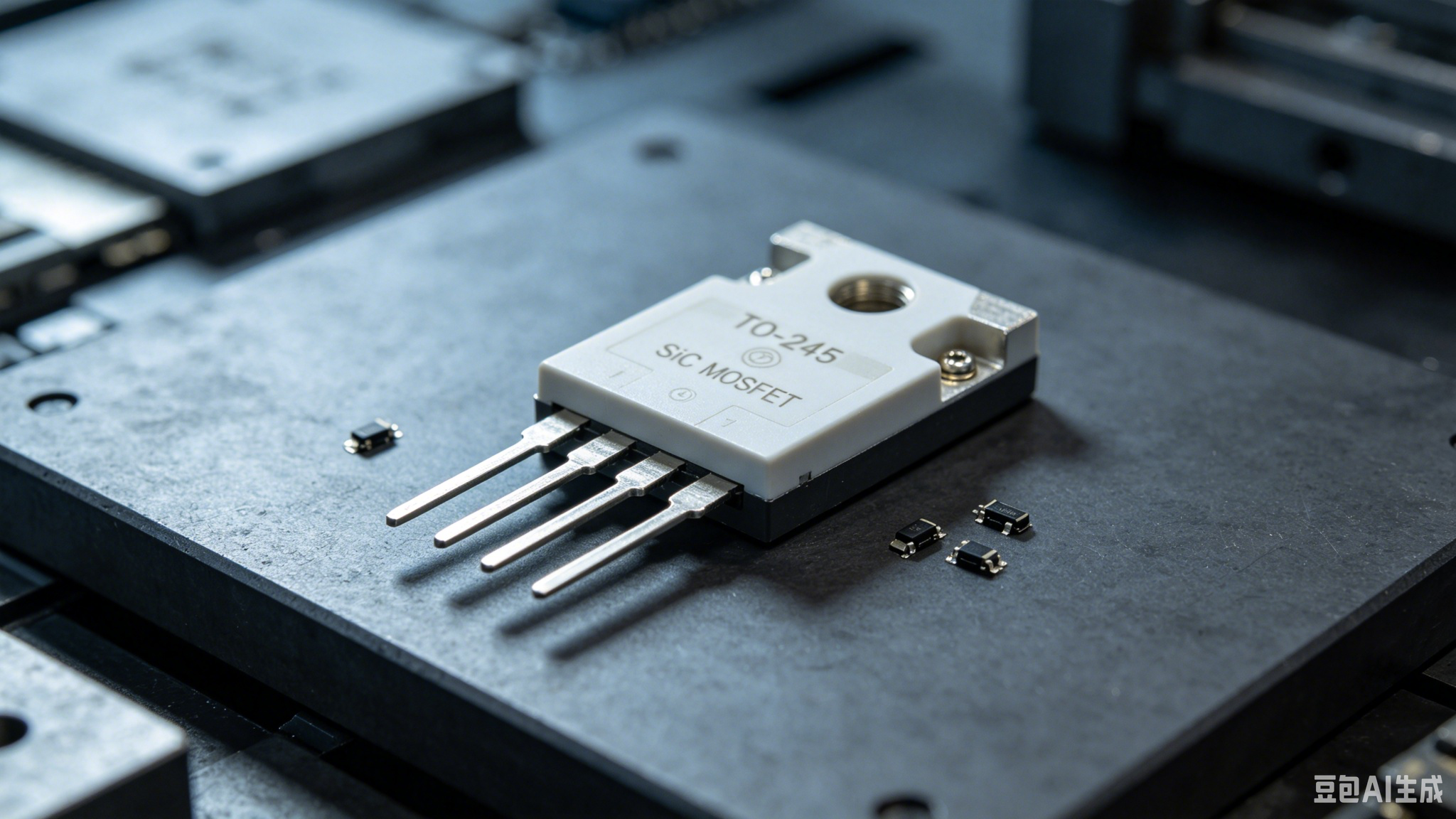
For procurement, there are four actions you can take right now.
Lock in the price.Price increase notices are issued in batches; the later you place your order, the further back your quoted price will fall. Calculate your Q4 2026 to Q1 2027 volume clearly, secure quarterly or semi-annual framework pricing with suppliers who have stock and allocated quotas, and lock these costs into your contracts. By the time the next price increase notice arrives, your costs will already be fixed.
Also authenticate the second supplier in parallel.Top-tier domestic automotive-grade players include Basic Semiconductor, StarPower, Hongrui Microelectronics, and San'an. Second-tier players include Silan Microelectronics, Zhanxin Electronics, and CRRC Times Electric. Ship samples early and run reliability validation to allow a second source 6 to 12 months for qualification. Don't wait until the primary supplier runs out of stock to consider alternatives.
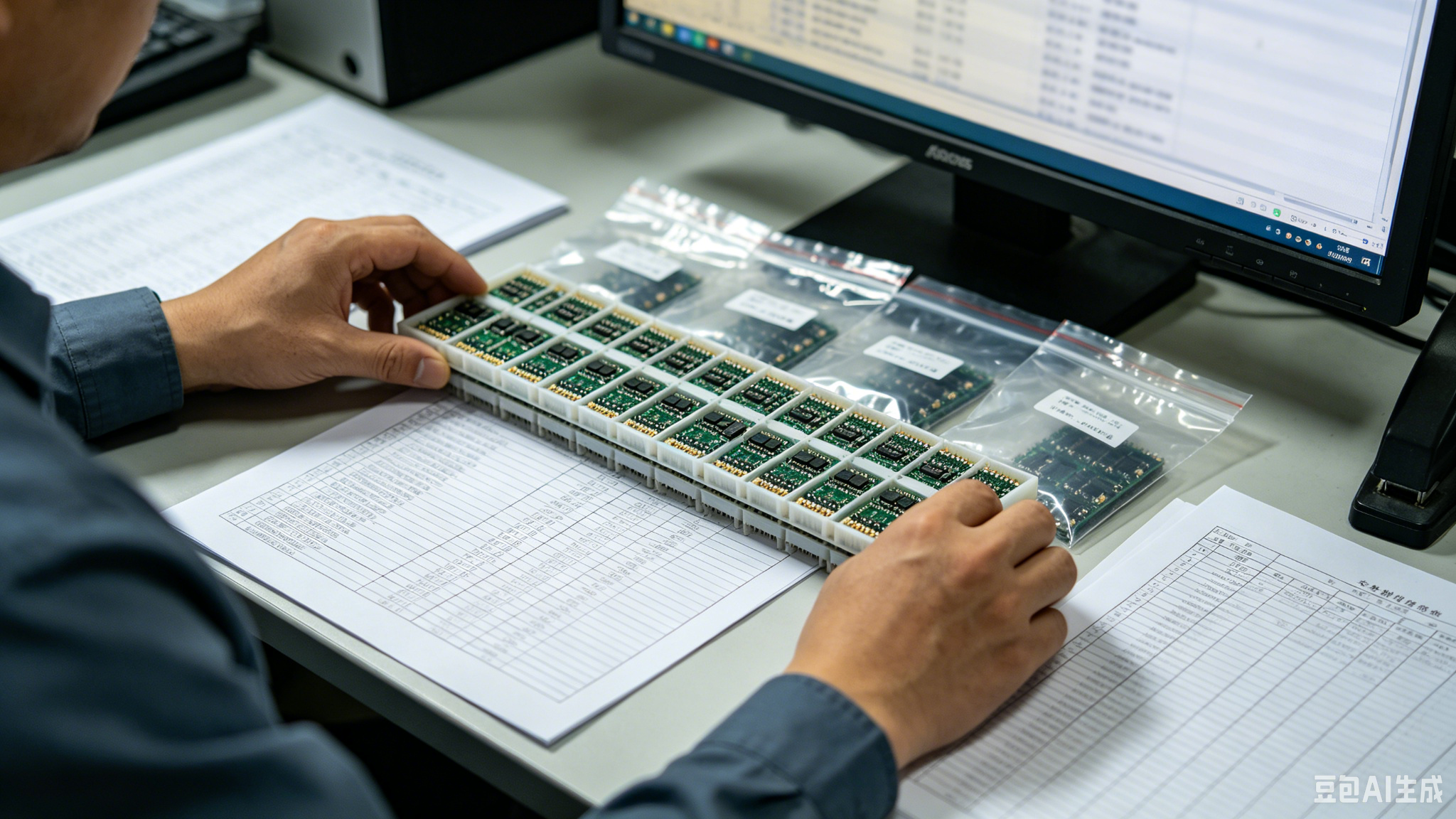
Third, authenticity verification and traceability must precede price comparison.Tighter market conditions increase the risk of refurbished or counterfeit materials entering the supply chain. Require factory test data for every batch; when necessary, send samples to a third party for visual inspection, X-ray, and deconstruction analysis to verify package integrity, die structure, and marking. Maintain a complete traceability record.
Fourth, fulfill urgent orders using available stock.For prototypes, small batches, and trial runs, skip the high costs and long lead times. Instead, source from channels with physical stock, same-day shipping, and built-in testing capabilities. For bulk orders, upload your full BOM to receive comparative quotes from multiple suppliers in minutes.
Among the four steps, price locking is most urgent, dual-sourcing takes the longest, and authenticity verification cannot be skipped. Schedule these three first so that when the next price increase notice arrives, your cost advantage is already locked into the contract.