SiC MOSFET Pricing in 2026: Drivers, Forecasts, and Procurement Strategies for OEMs
Industry forecasts predict that China's SiC device market will reach 11,09 billion yuan in 2026, with a year-over-year growth of 32,4%—the highest globally. Demand is surging across three fronts: scaling of 800V platforms, increased SiC content per solar inverter from 1,2 to 2,1 devices, and the addition of bidirectional converters for energy storage systems. This article covers the drivers behind price increases, market outlook, and six procurement steps: how to lock in prices, qualify a second supplier, verify authenticity, and fulfill urgent orders using warehouse stock.
According to industry forecasts, China's SiC device market will reach 11,09 billion yuan in 2026, representing a 32,4% year-over-year growth—the highest globally. Demand is surging across three fronts: scaling of 800-volt platforms, increasing SiC component count per solar inverter from 1,2 to 2,1, and the addition of bidirectional converters for energy storage systems. Demand is outpacing production capacity.
Infineon and STMicroelectronics have already issued their second round of price increase notifications for 2026. Chinese manufacturers are following suit. This isn't a rumor—these changes are already reflected in your quotations.
Three factors are driving the price increase.
First is demand. According to JPMorgan, shipments of Chinese electric vehicles equipped with silicon carbide (excluding Tesla) are projected to rise from 2,5 million units in 2025 to over 4 million in 2026, representing growth of more than 60%. Notably, the amount of SiC per vehicle is increasing even faster than overall sales volume.
Second, costs. The average price of 6-inch SiC substrates was 4 000–4 500 yuan per wafer at the start of 2025, then dropped to 2 000 yuan, before rising again in April 2026. 8-inch products stabilized. The decline in substrate prices should have lowered device prices. However, manufacturers shifted capacity toward high-margin products, while packaging and testing costs increased. As a result, device prices rose.
Third is structural capacity deficit. Silex launched a 6-inch SiC MOSFET production line with a capacity of 10 000 wafers per month. CRMICRO brought its 8-inch line online at the end of 2025. Domestic capacity is ramping up, but automotive certification takes time. Short-term supply simply cannot keep pace with demand. This is precisely when price hikes and extended lead times emerge simultaneously.
What procurement teams should do now: four steps.
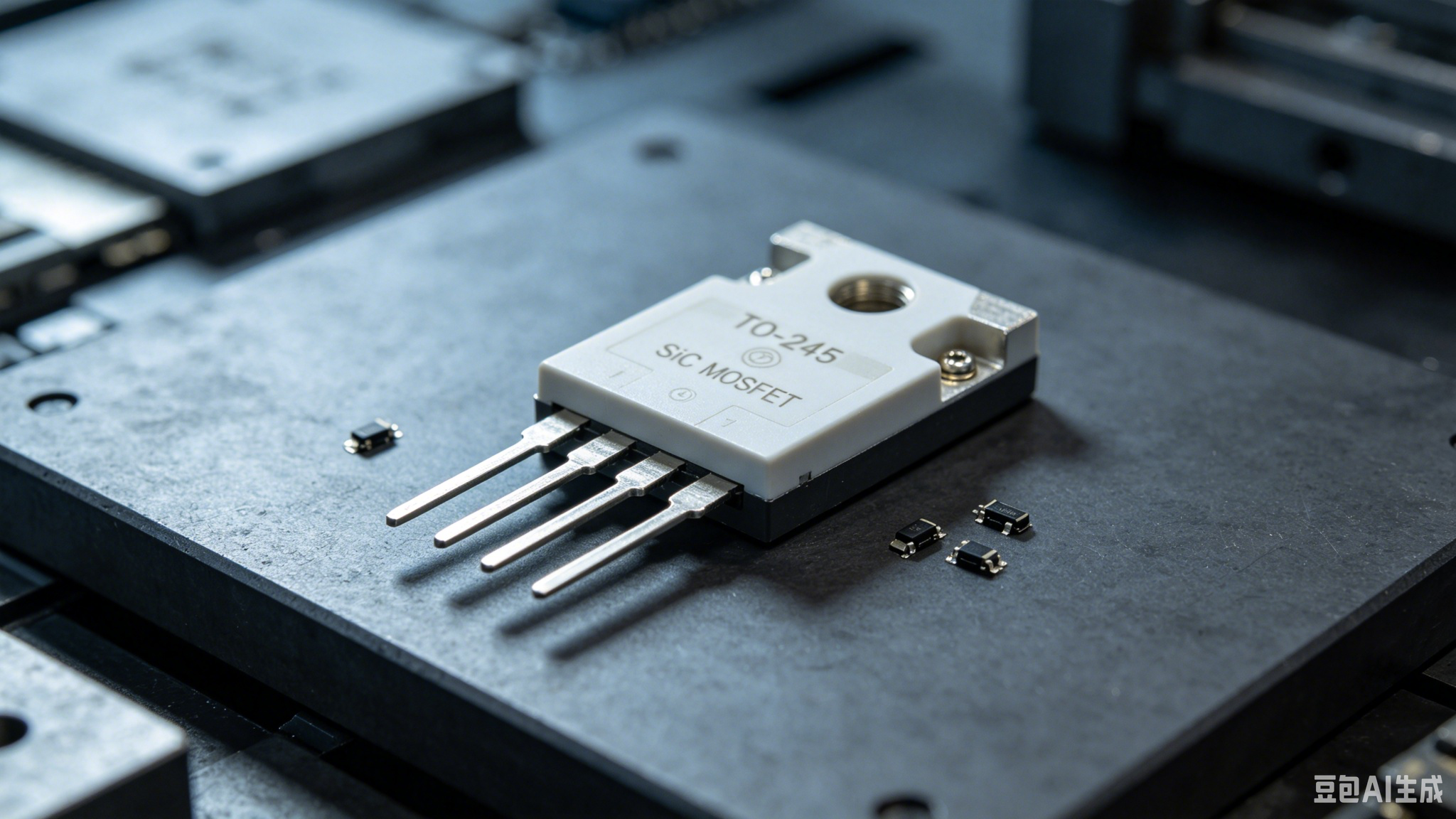
Step 1: Lock in prices. Price hikes arrive in waves. The later you order, the higher the price. Assess Q4 2026 – Q1 2027 volumes. Secure quarterly or six-month framework agreements with distributors that have verified inventory and confirmed quotas. Fix costs in your contract before the next wave hits.
Step 2: Simultaneously certify a second supplier. The first tier of domestic SiC automotive electronics suppliers includes BASiC, StarPower, CRMICRO, and SANAN. The second tier includes Silex, SICC (Danisense), and others. Submit samples early and conduct reliability testing. Allow the secondary source 6–12 months for certification. Do not wait until the primary supplier depletes its inventory.
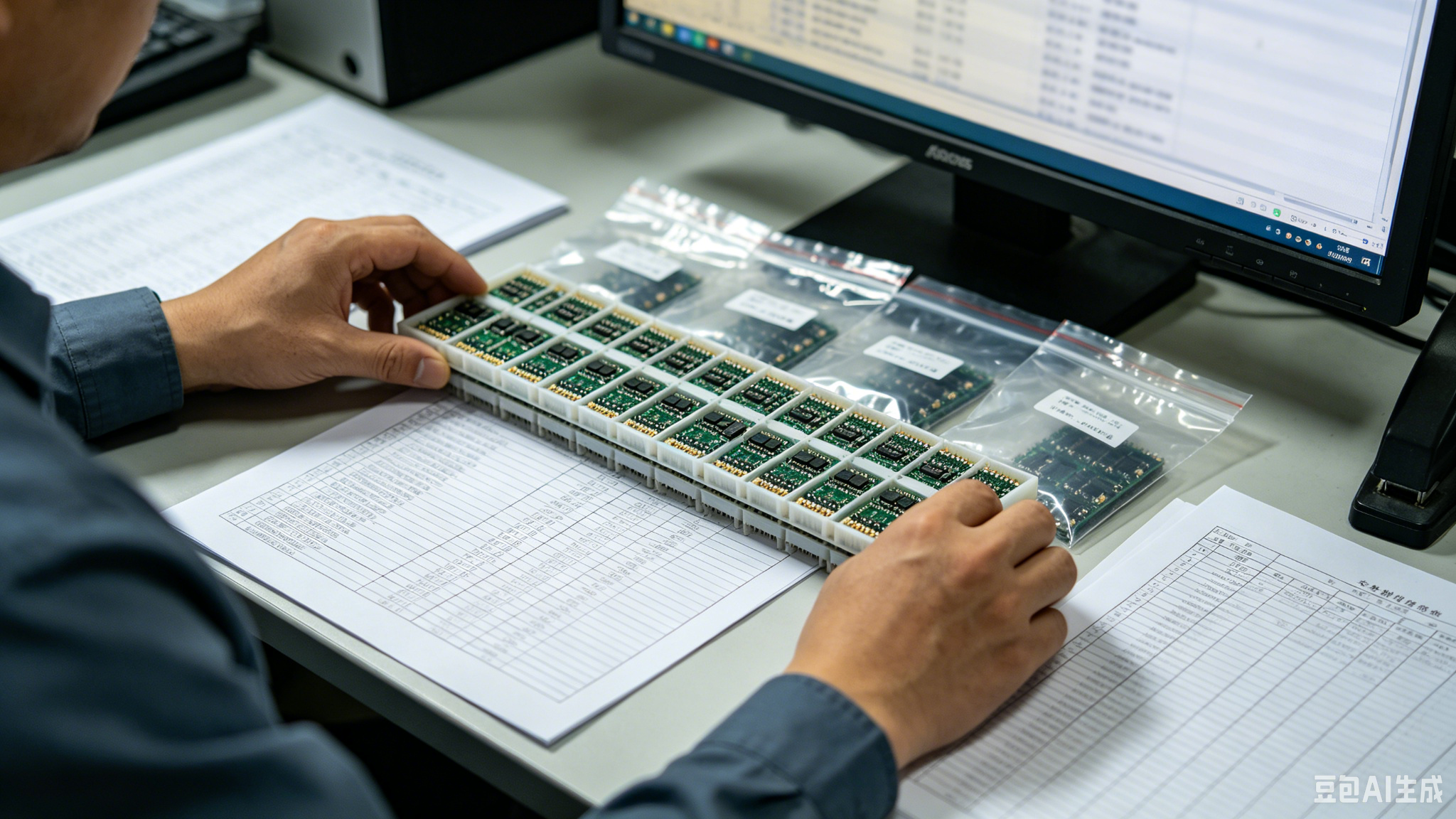
Step 3: Prioritize authenticity over price. The more stressed the market becomes, the higher the volume of refurbished and counterfeit components. Require outgoing quality control data for every batch. If necessary, engage third-party labs for external inspection, X-ray analysis, and decapsulation. Verify package integrity, die condition, and marking accuracy. Maintain a complete traceability chain.
Step 4: Fulfill urgent orders from in-stock items. For prototypes, small batches, and pilot launches, don't fight high prices or long lead times. Source from suppliers with inventory, same-day shipping, and in-house testing. For bulk procurement, upload your full BOM—multiple vendors will return comparable quotes within minutes.
Of these four steps, price blocking is the most urgent, second-source certification is the longest, and authenticity verification is the most critical. Add these three items to your calendar now. When the next wave of price hike notices arrives, your pricing advantage will already be locked into the contract.